ReadProcesses
Map the real work
Channels, handoffs, exceptions, and dependencies are made explicit before any system is designed.
We design and build owned infrastructure that connects processes, data, and responsibilities: executive dashboards, workflows, automations, and operational portals built around how the company actually works.
The goal is not to add another piece of software. It is to make readable and controllable what currently lives across spreadsheets, chats, CRMs, ERPs, and manual handoffs.
Most companies run on a sprawl of disconnected tools that never talk to each other. We unify them into one custom platform, then put automation and AI to work on top.
TODAY · FRAGMENTED
ONE SYSTEM · OUTPUTS
Three actions that bring processes, data, and accountability into one operating layer.
Channels, handoffs, exceptions, and dependencies are made explicit before any system is designed.
CRMs, sheets, ERPs, email, and portals become a readable base for management and teams.
Dashboards, workflows, and automations make priorities, bottlenecks, and responsibilities visible.
The blue point marks where processes, data, and responsibilities stop living apart.
When a company grows or expands, spreadsheets, CRM, ERP, and chat start carrying pieces of the work. AICO turns those handoffs into a readable, controllable system.
Data needed for decisions lives in different places.
Numbers live in spreadsheets, CRM, email, chats, and different systems. Before a meeting, people need to pull files, check versions, ask for updates, and reconstruct what actually happened.
Dashboards and operational views bring status, priorities, responsibilities, and bottlenecks into one control point, so decisions start from shared information.
The company has tools, but they do not form an operating system.
CRM, ERP, spreadsheets, portals, and chats each hold part of the work. Teams copy, update, chase, and reconcile information across systems instead of using it to move work forward.
A unified operating layer is put in place, connecting and replacing tools where needed, so teams can work with clearer information, fewer manual steps, and faster execution.
Execution depends on informal routines, key people, and manual control.
Follow-ups, quotes, approvals, exceptions, and handoffs move through individual ownership, phone calls, reminders, and manual checks.
Roles, steps, handoffs, and exceptions become traceable workflows that can be assigned, monitored, measured, and improved.
With the right operating layer in place, decisions, execution, and scaling become easier to manage.
The company can read status, priorities, bottlenecks, and responsibilities from one control point.
Teams spend less time copying, checking, chasing, and reconciling information across systems.
Steps, owners, approvals, exceptions, and handoffs can be assigned, monitored, measured, and improved.
AI and automation are introduced only where they reduce manual work, search, control effort, or quality gaps.
Dashboards, portals, workflows, data structure, and operating logic remain owned by the company, instead of being shaped by generic software compromises.
We start from how the company works today, then design the infrastructure that has to hold it together: data, roles, flows, interfaces, and automations.
We collect processes, tools, manual handoffs, responsibilities, and points where information gets lost or arrives late.
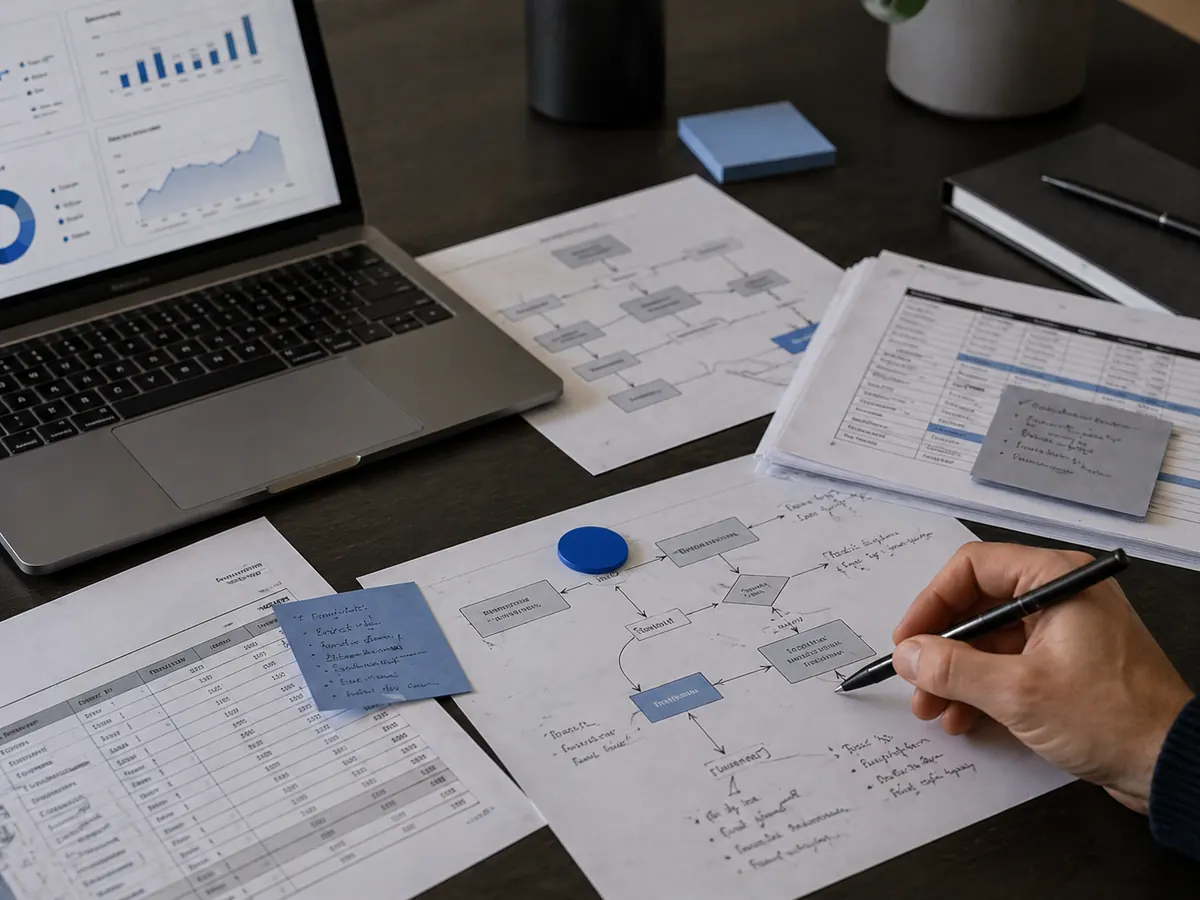
We design and develop dashboards, databases, workflows, portals, and automations around how teams and leadership need to work.
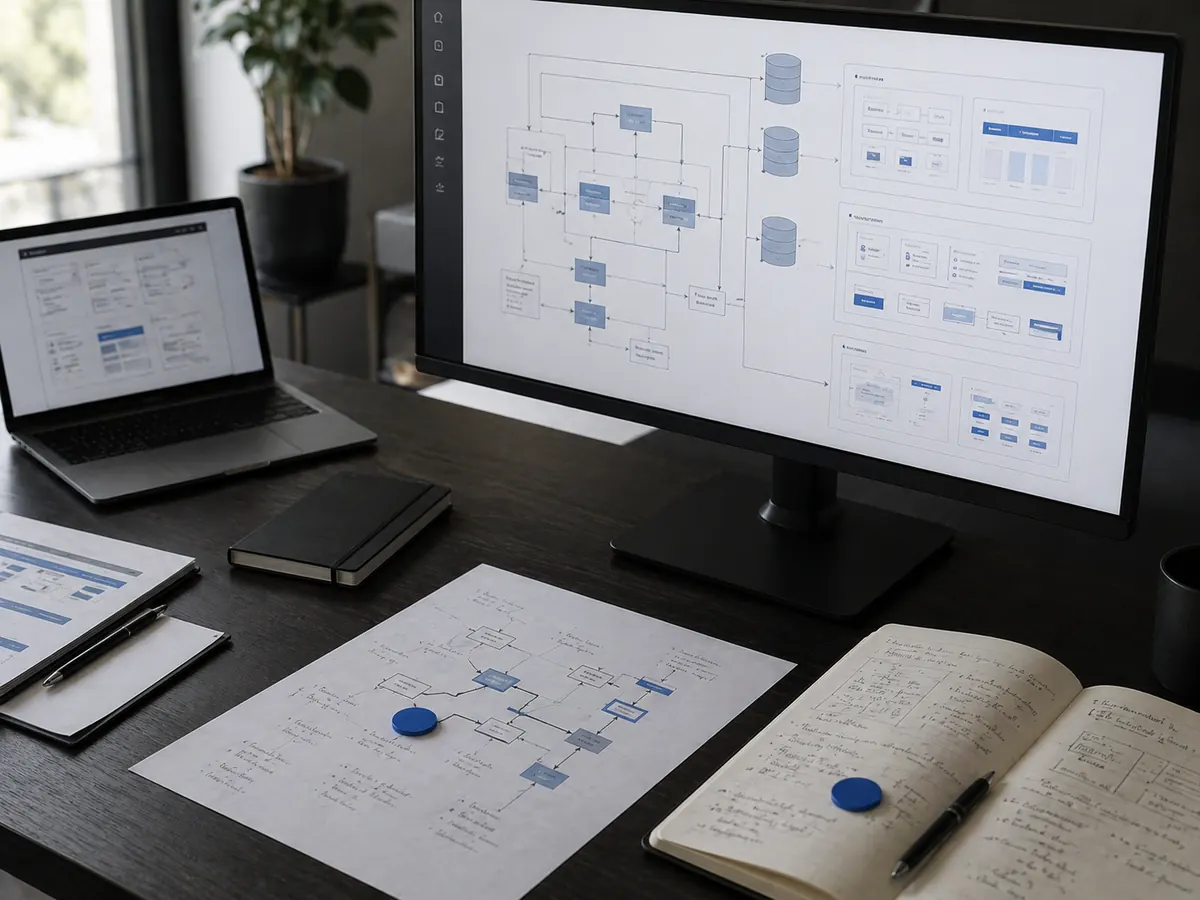
We support usage, data reading, improvements, and new automations until the system becomes part of everyday operations.

Process first. Then the system.
AI is introduced only where it reduces manual work, increases control, or improves decision quality. Everything else is operating logic.
Process first. Then the system.
AI is introduced only where it reduces manual work, increases control, or improves decision quality. Everything else is operating logic.
We start from these contexts, but the criterion is not the sector. It is the presence of processes, data, and accountability that need to become readable.
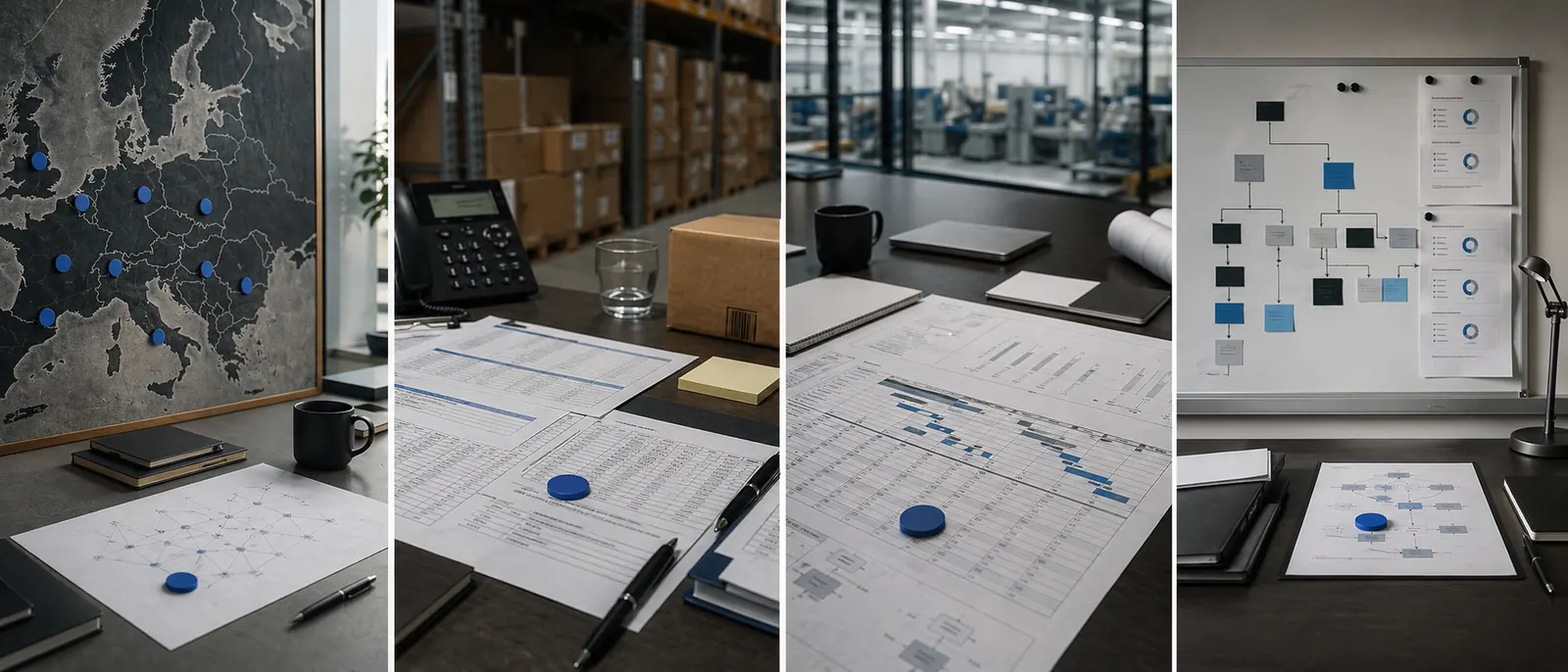
10–200 affiliates or points of sale
HQ manually reconstructs the network picture every single week.
Network dashboard, B2B portal, automatic anomaly alerts, periodic reports for each affiliate.
Distributors with agent networks
Orders, pipeline, and commercial relationships live on separate channels.
Visual sales pipeline, quote configurator, director dashboard with forecast, automatic follow-up sequences.
Commercial departments, 5–50 people
Production, sales, and management don't converge on shared numbers.
Centralized customer base, post-sale automations, shared dashboard between production and sales.
SMEs with complex internal processes
Intake, delivery, and coordination depend on key individuals.
Automated onboarding portal, repetitive process automation, operational dashboard with KPIs.
Five questions to read friction, urgency, and a possible intervention scope.
A first reading of the handoffs that absorb time and margin.
The operating area to bring under control first.
The system hypothesis to review with AICO.